What is PVD Coating?
PVD stands for Physical Vapor Deposition. It is a thin-film coating process in which a solid material is vaporized in a vacuum environment and then deposited onto a surface as a pure material or alloy coating. PVD coatings are not just simple metallic layers—they are compound materials formed at the atomic level, creating a thin, bonded metal-ceramic surface layer that significantly enhances durability and performance.
How is PVD Coating Applied?
The two most common PVD processes are Sputtering and Thermal Evaporation:
– Sputtering: This process involves ejecting particles from a coating material (called the “target” or source) using high-energy charged particles. These atoms are then dispersed and deposited onto a surface, such as silicon wafers or solar panels.
– Thermal Evaporation: In this process, the coating material is heated to its boiling point in a high-vacuum environment, turning it into vapor. The vapor then condenses onto the surface, forming a thin film.
What are PVD coating materials?
What are PVD Coating Materials?
The materials used for sputtering or vapor deposition are called targets or source materials. Hundreds of materials can be used in PVD processes, depending on the final product requirements, including metals, ceramics, alloys, and compounds. PVD coatings are widely used across various industries, such as:
Optical applications (e.g., eyeglasses, self-cleaning tinted windows), Electronics (e.g., computer chips, displays)
Solar energy (e.g., solar panels), Decorative applications, Protective coatings using materials like gold, platinum, or chromium
Advantages of PVD Coating
– Superior hardness and corrosion resistance: PVD coatings are generally harder and more corrosion-resistant than electroplated coatings. The atomic-level process allows precise control over film density, structure, and chemical composition, reducing friction and providing excellent surface protection.
– Customizable properties: PVD enables the development of coatings with specific characteristics such as hardness, lubrication, adhesion, and more.
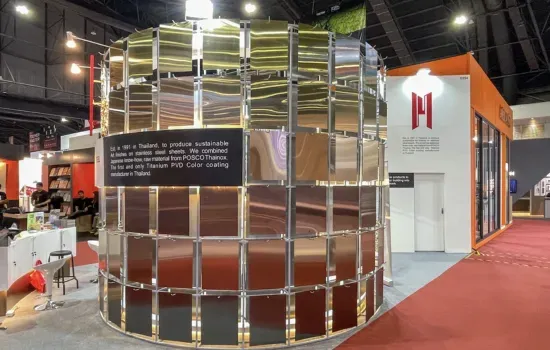
– Versatility in materials and surfaces: Both inorganic and organic coating materials can be applied to a wide range of surfaces. Finishes such as PVD gold or platinum provide excellent scratch resistance and long-lasting decorative appeal without fading.
– Environmentally friendly process: PVD is a cleaner and more sustainable alternative to traditional coating methods like electroplating or painting. It significantly reduces the use of toxic chemicals and liquid precursors, producing cleaner and more durable coatings.
Source
https://vaportech.com/what-is-pvd-coating-an-intro-to-physical-vapor-deposition-other-thin-film-deposition-technologies/
http://www.semicore.com/what-is-pvd-coating